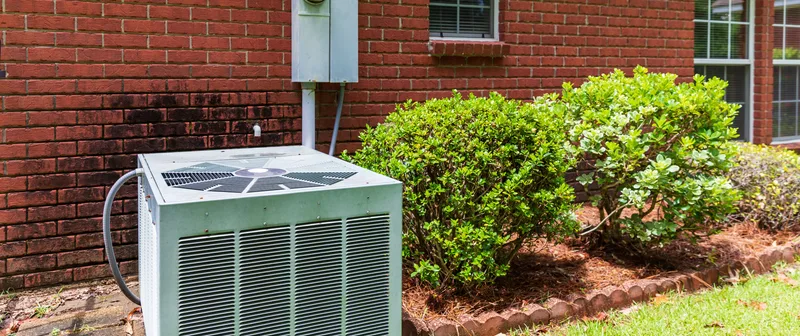


Heat Pump Repair Specialists
Heat Pump Repair in Dunn, NC
Dual-function heating and cooling repair for Dunn homes and the surrounding area
Your heat pump handles both heating and cooling in one system — and when it fails, the diagnosis gets more complex than a standard air conditioner. Plain View Solutions Heating & Air Conditioning has been diagnosing and repairing heat pump failures across Dunn since 2020. Whether your system won’t heat on a freezing night, cycles into expensive backup heat too often, or can’t cool in summer, we know the unique failure points and get to the root cause — not just a quick restart.
Why Plain View Solutions
Schedule Your Heat Pump Repair Today
Fill out the form or call us. We’ll confirm availability and explain what we’ll check during the visit — no vague promises, just straightforward diagnosis. See also our heat pump maintenance, heat pump installation, and AC repair.
& Operated
Dealer
Options
& Commercial
Why Choose Us
What Sets Our Heat Pump Repair Apart
Heat Pump–Specific Diagnostic Skills
Heat pumps reverse refrigerant flow between heating and cooling, requiring expertise in both directions. We troubleshoot refrigerant imbalance, reversing valve faults, defrost-cycle problems, and backup heat staging — issues many general contractors don’t fully understand.
We Know Your Equipment’s Defrost Cycle
In winter, the outdoor unit accumulates ice and enters defrost mode — a normal operation homeowners often mistake for a failure. We distinguish normal defrost behavior from a genuinely stuck reversing valve or compressor issue, saving you unnecessary replacement recommendations.
Transparent Dual-Function Diagnosis
When we find a problem, we explain your options: repair the current system, stage in supplemental heat strategically, or upgrade to a newer high-efficiency unit. We show you the trade-off in comfort, cost, and energy use before you decide.
Multi-Season Failure Expertise
Heat pumps fail across the year in unexpected ways. We’ve diagnosed ice-buildup failures in shoulder season, insufficient heating from refrigerant loss, inadequate cooling on humid days, and backup heat costs from reversing valve drift — so we check the right points on the first visit.
Reversing Valve Mastery
The reversing valve switches the system between heating and cooling. When it sticks, you get lukewarm heating, cooling that won’t shut off, or short-cycling. Diagnosing it requires understanding pressure differential and electrical control signals — we pinpoint it without unnecessary component replacement.
Family-Owned Partnership Through a Complex System
We’ve repaired heat pumps for Dunn homeowners since 2020, so we understand the stress of a part-furnace, part-air-conditioner system failing. We explain things in plain language, give honest options, and stand behind our diagnosis. About our approach.
Know the Signs
Signs Your Heat Pump Needs Repair
Won’t Heat on Cold Nights (or Uses Too Much Backup Heat)
Backup heat strips should only activate in extreme cold. If your system constantly switches to backup heat even at 35°F, the reversing valve is likely stuck or the refrigerant charge is low. Excess backup-heat use burns energy and costs money fast. Diagnosis takes one visit.
Frozen Outdoor Unit That Won’t Defrost
During defrost mode, frost on the outdoor coil melts away automatically over 5–10 minutes. If ice keeps building up and the system doesn’t shed it, the defrost sensor or reversing valve is stuck, and the compressor is working against ice. Call for diagnosis before full shutdown.
Weak Cooling in Summer (or Heating in Winter)
Low airflow from either direction usually points to refrigerant loss, a clogged filter, or the expansion valve sticking. Heat pump refrigerant imbalance affects both directions. We test pressures on both the heating and cooling sides to pinpoint where the charge is escaping.
Short-Cycling or System Running Constantly
The system starts, runs for 5–10 minutes, then shuts off and immediately restarts — or it runs without stopping. Short-cycling usually means the compressor is overheating from low refrigerant or a stuck reversing valve. We measure pressures and check reversing valve control.
Making Strange Noises During Heating or Cooling
Grinding, hissing, or loud buzzing signals refrigerant issues, electrical shorts, or reversing valve mechanical problems. Hissing near the units suggests a refrigerant leak; grinding often means compressor damage. These aren’t normal — get them checked to avoid a full failure.
High Humidity Indoors or Water Around the Unit
If your home feels sticky or water is pooling, the condensate drain is clogged, the coil is frozen, or the system isn’t dehumidifying. In cooling mode, weak dehumidification means low refrigerant, airflow blockage, or expansion valve failure — all require diagnosis and repair.
No Heat or No Cool Air? We Can Help.
A heat pump failure means you’ve lost heating, cooling, or both. Call and tell us what’s happening, and we’ll get a technician scheduled to diagnose the problem and get you comfortable again.
What We Fix
Heat Pump Repairs We Perform
Refrigerant Leak Sealing and Recharge
Heat pump refrigerant leaks reduce capacity in both heating and cooling. We locate the leak with electronic detectors, seal minor leaks, and recharge to spec. For major coil leaks, we discuss whether repair or a high-efficiency replacement offers better value.
Get leak repair nowReversing Valve Replacement
When the reversing valve sticks, your system won’t switch smoothly between modes — weak heating, weak cooling, or short-cycling. We replace the valve with a factory-authorized component, test mode switching, and confirm pressures normalize.
Schedule reversing valve diagnosisExpansion Valve Adjustment or Replacement
A stuck expansion valve restricts refrigerant flow, causing weak heating or cooling. We test superheat and subcooling, adjust if possible, or replace the valve if failed. This repair often restores full capacity without replacing the compressor.
Get expansion valve serviceDefrost Thermostat and Sensor Replacement
In heating mode, a faulty defrost sensor won’t trigger the defrost cycle, and ice builds up on the outdoor coil, restricting airflow. We replace the sensor or thermostat and test the defrost operation at the next cold cycle.
Contact us for defrost repairCompressor Replacement
A failed heat pump compressor pumps refrigerant in both directions. Repair is usually uneconomical; replacement means a new unit. We help you decide between a compressor replacement and upgrading to a new high-efficiency system.
Discuss replacement optionsCondensate Drain and Line Cleaning
Heat pumps produce condensate in both modes, so the drain must stay clear year-round. Blockage backs water into the home and triggers a safety switch. We clear the blockage, flush the line, and repair cracked insulation on refrigerant lines.
Get drain serviceBackup Heat (Electric Strip) Optimization
If your backup heat cycles too often, we diagnose the cause — low refrigerant, weak heating from the compressor, or poor outdoor-temperature sensing. Often, adjusting the thermostat’s backup heat activation temperature eliminates unnecessary strips.
Request backup heat tuningControl Board and Electrical Repairs
A failed control board prevents the system from mode-switching, staging backup heat, or even starting. We diagnose electrical faults and replace boards, relays, or solenoids with factory-authorized parts.
Contact us for electrical diagnosticsOur Repair Process
How We Diagnose and Repair Your Heat Pump System
Understand Your Symptoms and Operating History
You call with a heating or cooling problem. We ask: When did it start? Does it happen in both heating and cooling modes, or just one? Is outdoor temperature a factor? Have you noticed backup heat cycling too often or strange noises during defrost? These questions point us toward reversing valve, refrigerant, or compressor issues before we even arrive.
- Whether the problem is heating-mode only, cooling-mode only, or both
- Whether backup heat (electric strips) is cycling excessively
- Any noise, frost accumulation, or cycling patterns you’ve noticed
- How long the system has been in service
- Whether the problem is constant or weather-dependent
Visual Inspection of Both Indoor and Outdoor Units
We check the indoor unit, the outdoor unit, the thermostat, and all electrical connections. For heat pumps, outdoor unit condition is critical — ice buildup, frost, missing line insulation, or bent coils tell us a lot about the system’s operation mode. We also look for signs of refrigerant leak and verify the thermostat mode setting.
- Indoor coil and blower operation
- Outdoor coil and compressor condition
- Refrigerant line insulation integrity
- Disconnect switches and electrical connections
- Thermostat display, filter condition, and evidence of frost, ice, or water leaks
Measure Refrigerant Pressures in Both Directions
This is where heat pump diagnosis differs from AC repair. We measure high-side and low-side pressures in heating mode, then switch to cooling mode and measure again. Low charge in both modes suggests a leak; low charge in only one direction points to reversing valve issues or expansion valve malfunction.
- High-side and low-side pressures in heating mode at current outdoor temperature
- High-side and low-side pressures in cooling mode (if seasonal)
- Superheat and subcooling values to check refrigerant state
- Compressor amp draw to detect electrical stress
- Reversing valve control signal and outdoor temperature for pressure spec comparison
Test Reversing Valve Operation and Electrical Controls
The reversing valve switches refrigerant flow between heating and cooling. We test its electrical signal, listen for the valve’s mechanical click when switching modes, and compare pressures before and after a mode change. A stuck valve won’t click, pressures won’t shift, or the system will feel “lazy” transitioning between modes.
- Reversing valve control signal (24V solenoid voltage present?)
- Mechanical operation (does the valve click when energized?)
- Pressure response before and after a mode switch
- Compressor discharge temperature (in the normal range for the mode?)
- Defrost thermostat operation (if in heating mode during cold weather)
Repair, Test, and Document Everything
Once we confirm the diagnosis, we repair or replace the failed component. After repair, we cycle the system through both heating and cooling, confirm pressures match specs, check backup heat activation logic, and verify the thermostat responds correctly. You get a written report with all readings, parts replaced, and a warranty statement.
- Refrigerant leak sealing and recharge for both heating and cooling sides
- Reversing valve replacement with field testing
- Expansion valve adjustment, compressor replacement, and defrost sensor replacement
- Control board, solenoid, blower, and condenser fan motor repairs
- Condensate drain cleaning and backup heat staging optimization
Maintenance Plan
Protect Your HVAC System This Season Across Eastern North Carolina
Heating and cooling equipment works hardest during North Carolina’s brutal summers and unpredictable winters - and small issues that go unnoticed become expensive repairs fast. A Plain View Solutions maintenance plan keeps your system tuned, catches problems early, and extends the lifespan of the equipment you’ve already invested in.
Residential Maintenance Plan
- Two precision tune-ups per year
- Priority service scheduling
- Discounts on repairs and parts
- Extended equipment lifespan
- No overtime fees on service calls
Financing Deals
Comfort Shouldn’t Have to Wait
Unexpected HVAC repairs or replacements can be stressful and costly - and they always seem to come at the worst possible time. That’s why Plain View Solutions partners with Optimus, the all-in-one financing platform that helps us make your project stress-free and affordable, with multiple financing programs to get you the best rate possible - even if you have challenged credit.

Financing Through Optimus
- Pre-qualify in less than two minutes - without impacting your credit score
- Instant approvals with affordable payment options
- Financing for all credit scores, including challenged credit
- Financing for repairs and replacements - no prepayment penalties
- Homeownership not required
Where We Repair
We Repair Heat Pumps Across the Dunn Area
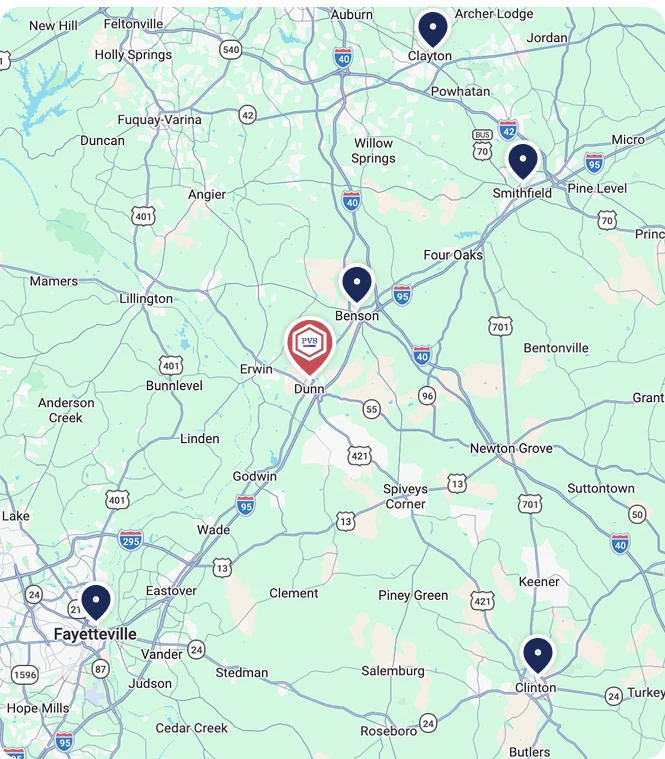
We’re based in Dunn, NC and offer heat pump repair — winter heating and summer cooling — for homeowners and businesses throughout the surrounding region.
Heat Pump Trouble in Your Town?
Don’t see your city listed? We repair heat pumps across many additional communities in the Dunn area. Call us with your location and heat pump problem anytime and we’ll confirm availability — honestly, either way.
Answers
Frequently Asked Questions About Heat Pump Repair
A heat pump provides both heating and cooling by reversing refrigerant flow using a reversing valve. In heating mode, it pulls warmth from outdoor air; in cooling mode, it acts like an air conditioner. The complexity comes from coordinating refrigerant in both directions, managing backup electric heat, and handling defrost cycles. Any failure affects either heating or cooling — sometimes both. That means diagnosis requires testing the system in both modes.
Defrost cycles are normal in heating mode — every 30–90 minutes when outdoor conditions are cold and humid. Each cycle lasts 5–15 minutes. During defrost, you might hear the outdoor fan stop or hear refrigerant reversing. This is expected. However, if defrost cycles happen constantly, ice is visible after the cycle, or the system doesn’t heat after defrosting, the defrost sensor is stuck or the reversing valve isn’t working correctly.
Backup heat (electric strips inside your furnace or handler) should activate only in extreme cold or high heating demand. If it’s running constantly above 40°F outdoor temperature, your compressor is losing efficiency — usually from low refrigerant, weak refrigerant circulation, or a partially stuck reversing valve. We diagnose the mechanical issue; fixing it eliminates unnecessary backup-heat usage and saves energy.
We can replace the reversing valve without replacing the entire unit. It’s a serviceable component, not a catastrophic failure. Once replaced and tested, the system should mode-switch smoothly. Replacement cost is much less than a new unit. Get a reversing valve diagnosis.
Heat pumps provide heating through refrigerant circulation; furnaces burn fuel. Heat pump repairs involve refrigerant diagnostics, electrical mode-switching, and defrost-cycle management. Furnace repairs focus on combustion, airflow, and ignition. Many contractors specialize in one — we handle both, so heat pump diagnosis is our expertise, not a guessing game.
Extreme outdoor temperatures reduce a heat pump’s heating capacity naturally. Below 0°F, most heat pumps operate less efficiently. If heating is weak above 20°F, the issue is low refrigerant charge, compressor damage, or a stuck expansion valve. We test pressures and compressor amp draw to pinpoint the mechanical failure and confirm repair makes sense economically.
Both. A heating-season tune-up in fall catches refrigerant loss, defrost-sensor drift, and backup-heat staging issues before January cold. A cooling-season tune-up in spring ensures the reversing valve and refrigerant charge are optimized for cooling demand. Learn about our maintenance plans.
A properly charged and operating heat pump provides full heating down to about 35–40°F outdoor temperature without backup heat. Below that, electric strips activate to maintain indoor comfort — it’s normal and designed into the system. If backup heat activates above 40°F regularly, mechanical failure is likely. We diagnose and fix it so the compressor carries more heating load and backup heat costs drop.
If the repair cost is less than 25–30% of a new system’s price, repair usually makes sense — especially if the unit is under 10 years old. If the unit is over 12 years old and needs major work (compressor, reversing valve), a new high-efficiency system often delivers better value, reliability, and lower operating costs. We present both options so you decide.
Seasonal tune-ups catch wear before it becomes failure. We check refrigerant charge, test reversing valve operation, inspect the defrost cycle, verify backup heat staging, and clean coils. Homeowners on our maintenance plan see repair calls drop by 60–70% because we find problems during regular service. Join our maintenance plan.
Ready When You Are
Get Your Heat Pump Running Again
A heat pump failure means you’ve lost heating, cooling, or both. Plain View Solutions Heating & Air Conditioning brings dual-fuel expertise to every diagnosis — we know the reversing valve, understand defrost logic, and can spot the difference between a real breakdown and a normal defrost cycle. Ask about our financing options and our preventive maintenance plans to keep both heating and cooling stable through the year.