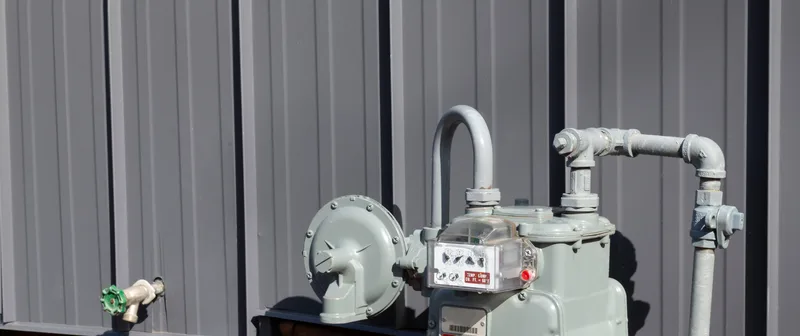


Professional Diagnostics When Your Gas System Fails
Gas Piping Repair & Leak Detection in Dunn, NC
Licensed gas system troubleshooting for furnaces, water heaters, and outdoor fireplaces
Gas safety emergencies demand immediate professional attention. If you smell gas, notice your furnace or water heater won’t ignite, or suspect a leak in your outdoor fireplace line, Plain View Solutions Heating & Air Conditioning provides licensed diagnostics and safe repairs. We’ve served Dunn-area homeowners since 2020 with expert gas system troubleshooting — from identifying hidden leaks and corroded connections to restoring safe gas flow to your appliances. Never ignore gas odors or performance issues; your safety is our priority.
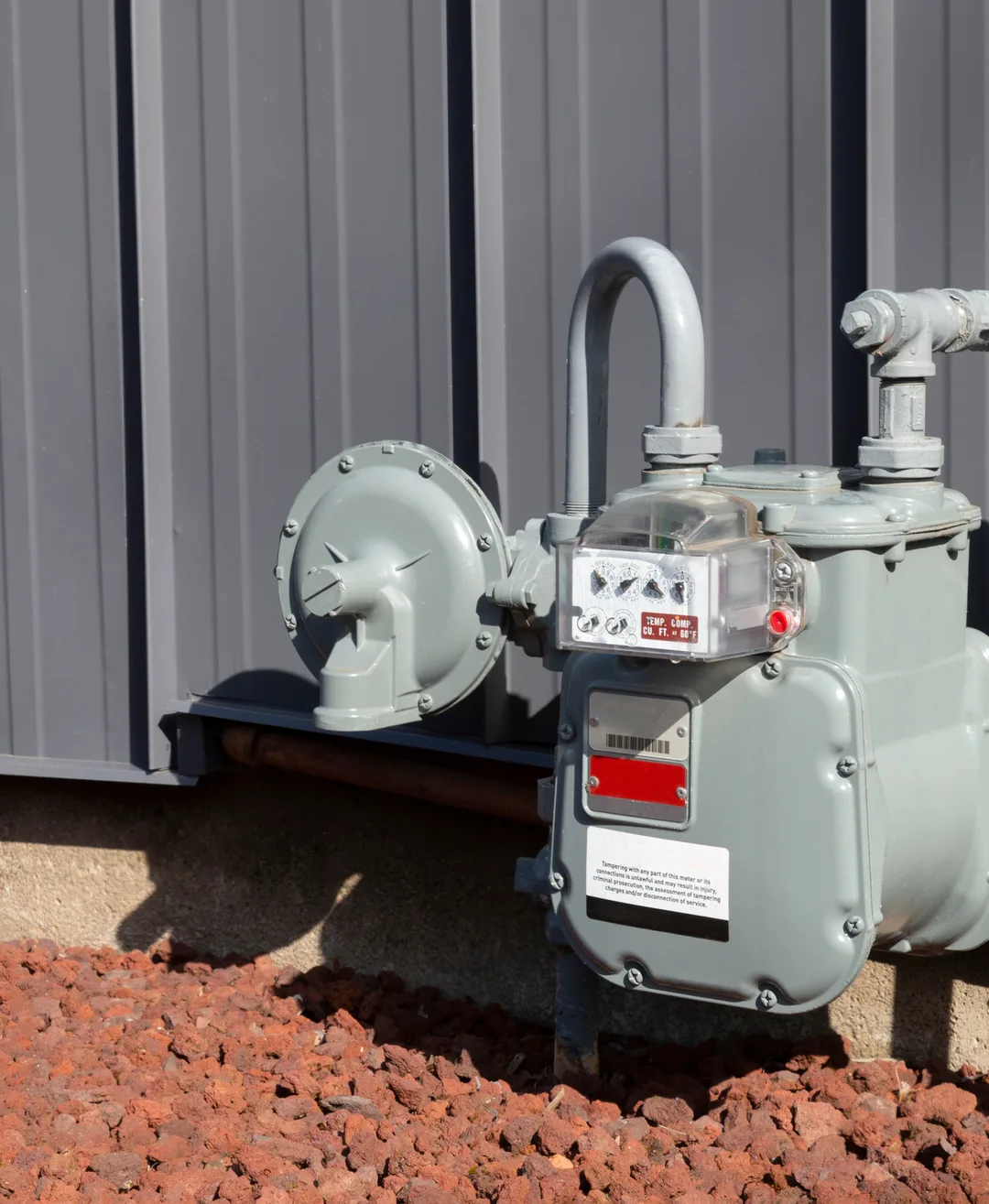
Why Plain View Solutions
Don’t Delay on Gas Piping Issues
Gas safety concerns shouldn’t wait. If you suspect a leak, your furnace or water heater isn’t getting gas, or your outdoor fireplace won’t ignite, we’ll diagnose the problem with professional equipment and fix it safely. Ask about flexible financing options and our maintenance plans.
& Operated
Dealer
Options
& Commercial
Why Choose Us
Why Plain View Solutions for Gas Piping Repair
Licensed Technicians for Gas Safety Concerns
When a gas leak is suspected, every minute matters. Our licensed technicians isolate the problem, conduct electronic and soap-bubble testing, and execute safe repairs — securing the area and coordinating with your utility when needed.
Electronic Leak Detection & Pressure Diagnostics
We bring electronic sniffer equipment, manometers, and flow-testing tools to identify pinhole leaks in CSST, loose connections, corroded fittings, failed regulators, or inadequate pressure at the appliance.
Licensed & Code-Compliant Repairs
Every repair we perform is done to code so it passes inspection on the first try. We document pressure readings before and after, explain what caused the failure, and provide you with the test results.
Family-Owned Accountability Since 2020
Call with a gas concern and you reach a family-owned business where technicians take personal responsibility. We diagnose thoroughly, explain the root cause, and recommend the right long-term solution.
Heil Elite Dealer with Advanced Equipment
Our Heil Elite Dealer status means access to quality replacement components, regulators, and testing equipment — and we stock common parts to handle most repairs in a single visit.
Transparent Repair Diagnosis
Every gas repair begins with a complete diagnostic that shows you what’s wrong. We pressure-test the line, use electronic detection, check regulator operation, and explain your options with honest pricing.
Know the Signs
Warning Signs Your Gas Piping Needs Repair
Smell of Rotten Eggs Near Gas Lines
The mercaptan odorant in natural gas creates a rotten-egg smell to alert you to leaks. Get everyone to fresh air, avoid ignition sources, and call us right away — even a faint smell warrants an inspection.
Furnace or Water Heater Won’t Ignite
A gas appliance that won’t light often points to supply problems: low pressure from a kink, a failed regulator, a pinhole leak in CSST, or a disconnected fitting at the appliance itself.
Hissing Near Lines, Meter, or Connections
A persistent hissing is almost always a leak escaping through a small opening in a corroded connection, a cracked fitting, or a pinhole. Have it inspected and repaired immediately.
Corroded or Discolored Gas Connections
Black iron piping corrodes over time. White, green, or black discoloration on fittings means corrosion is eating through the material, weakening the pipe wall and creating leak points.
Gas Smell Inside the Home or Yard
If gas smell seems to come from wall cavities, under the floor, or a specific yard area, a leak is releasing odorant into those spaces. We’ll trace the leak electronically before gas accumulates.
Dead Vegetation Over Buried Gas Lines
Escaping gas can kill grass or plants over a buried line. A dead patch following an underground line route is a strong indicator of a slow leak. We dig carefully to verify and replace the section.
Suspect a Gas Leak? We Can Help.
Gas safety concerns shouldn’t wait. Call and tell us what’s happening, and we’ll diagnose the problem with professional equipment — then fix it safely and to code.
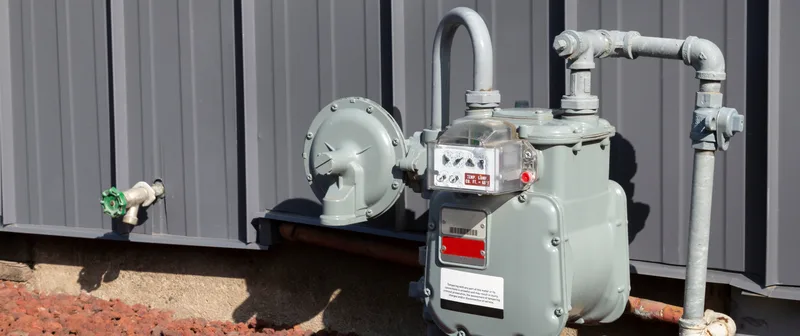
What We Fix
Common Gas Piping Repairs We Handle
Corroded Fitting or Connection Replacement
We remove the corroded fitting, clean the pipe, and install a new code-approved fitting with proper thread sealant — often completed in a single visit.
Schedule a repairPinhole Leak in CSST Tubing
We locate the leak electronically, cut out the affected section, and splice in new CSST with crimped fittings, then re-bond and re-test. No full repiping needed.
Repair a CSST leakFailed Gas Regulator Replacement
If testing shows the regulator is failing, we replace it with a code-approved unit matched to your fuel type — restoring proper pressure to your appliances.
Replace a regulatorLow Pressure Diagnostics & Line Clearing
We test pressure upstream and downstream to pinpoint where flow is restricted by a blockage or kink, then clear or re-route the line to restore full pressure.
Test your pressureDisconnected or Loose Appliance Connection
Vibration or age can loosen the fitting at the appliance inlet. We tighten or replace it, test pressure at the appliance, and verify it lights and operates safely.
Fix a connectionLeaking Shutoff Valve or Meter Connection
Shutoff valves at the meter or appliance branch can develop slow leaks. We repair or replace the valve and pressure-test to confirm the fix — usually a fast repair.
Replace a valveCorrosion or Damage to Buried Gas Line
We locate the affected section, excavate safely, assess corrosion or damage, and seal or replace the section — coordinating with your utility and backfilling after testing.
Repair a buried lineElectronic Leak Detection & Soap Testing
We use electronic sniffer equipment and soap-bubble testing at connection points to confirm the exact leak location that visual inspection alone would miss.
Request leak detectionOur Repair Process
Our Gas Piping Repair & Diagnostics Process
Emergency Safety Isolation & Visual Inspection
When you call reporting a gas concern, our first action is your safety. We ask whether you smell gas, which appliance is affected, and how long the issue has existed. If it’s an active leak, we advise you to leave the home and call from a safe location. On arrival we inspect visually before pressurizing the system.
- Visual inspection of accessible gas connections and piping
- Identification of corroded, cracked, or loose fittings
- Assessment of line accessibility for safe repair
- Odor localization if a leak is suspected
- Safety perimeter established to prevent ignition sources
- Utility coordination if the problem is on their side of the meter
Pressure & Flow Testing
We connect a manometer at multiple points — the meter, upstream and downstream of the regulator, and the appliance inlet. This data shows where pressure is dropping and whether the problem is a line leak, a failed regulator, or an appliance not consuming gas correctly.
- Manometer readings at meter, regulator inlet/outlet, and appliance
- Static pressure readings under no-flow conditions
- Flow pressure readings while an appliance operates
- Pressure drop calculations to identify leak location or regulator failure
- Gas flow rate verification against appliance nameplate specifications
- Documentation of all readings for your records
Electronic Leak Detection & Soap Testing
If pressure testing suggests a leak or you’ve reported a smell, we bring an electronic sniffer far more sensitive than the human nose — identifying leaks in walls, under floors, or at buried connections. We also apply soap solution at connection points to confirm the exact leak location.
- Electronic sniffer scan of all piping, connections, and suspicious areas
- Pressure test at 1.5× normal operating pressure to make leaks more evident
- Soap bubble application at joints, connections, and fittings
- Digital documentation of leak location for reference during repair
- Electrical bonding verification if CSST tubing is present
Diagnosis Report & Repair Recommendation
Once we’ve identified the problem, we explain what’s causing the failure and what options exist to fix it — from tightening a corroded connection to replacing a CSST section or a failed regulator. We tell you upfront whether the repair is simple or complex, the likely cost, and financing options.
- Complete explanation of the root cause of the failure
- Clear recommendation: tighten, replace component, re-run section, or upgrade meter
- Itemized cost estimate with all parts and labor
- Timeline: varies by scope, with more time needed if rerouting is required
- Financing options available for larger repairs
- Walk-through of what will happen during the repair
Safe Repair Execution with Full Testing
We perform the repair using only code-approved materials and techniques. New sections are routed safely, supported properly, and bonded and grounded correctly if CSST. Every connection is sealed with approved thread sealant. When complete, we pressure-test again to confirm the leak is gone and the appliance operates safely.
- Isolation of the affected section using shutoff valves
- Removal of corroded, cracked, or failed components
- Installation of replacement parts using code-approved materials
- New piping routed safely and secured properly
- Pressure test at 1.5× operating pressure for 15 minutes minimum
- Appliance ignition and operation test to confirm safe gas flow
Documentation, Explanation & Warranty
You’ll receive a complete record of the repair — before/after pressure test results, photos of the failed component, a detailed explanation, and a warranty on our workmanship. We’ll walk you through what to watch for and how to respond if you ever detect a gas smell again.
- Before/after pressure test documentation
- Photographs and explanation of the failed component
- Detailed repair work log showing materials used
- Warranty certificate covering parts and labor
- Safety guidance for future gas odor detection
- Optional annual maintenance program enrollment
Maintenance Plan
Protect Your HVAC System This Season Across Eastern North Carolina
Heating and cooling equipment works hardest during North Carolina’s brutal summers and unpredictable winters - and small issues that go unnoticed become expensive repairs fast. A Plain View Solutions maintenance plan keeps your system tuned, catches problems early, and extends the lifespan of the equipment you’ve already invested in.
Residential Maintenance Plan
- Two precision tune-ups per year
- Priority service scheduling
- Discounts on repairs and parts
- Extended equipment lifespan
- No overtime fees on service calls
Financing Deals
Comfort Shouldn’t Have to Wait
Unexpected HVAC repairs or replacements can be stressful and costly - and they always seem to come at the worst possible time. That’s why Plain View Solutions partners with Optimus, the all-in-one financing platform that helps us make your project stress-free and affordable, with multiple financing programs to get you the best rate possible - even if you have challenged credit.

Financing Through Optimus
- Pre-qualify in less than two minutes - without impacting your credit score
- Instant approvals with affordable payment options
- Financing for all credit scores, including challenged credit
- Financing for repairs and replacements - no prepayment penalties
- Homeownership not required
Where We Repair
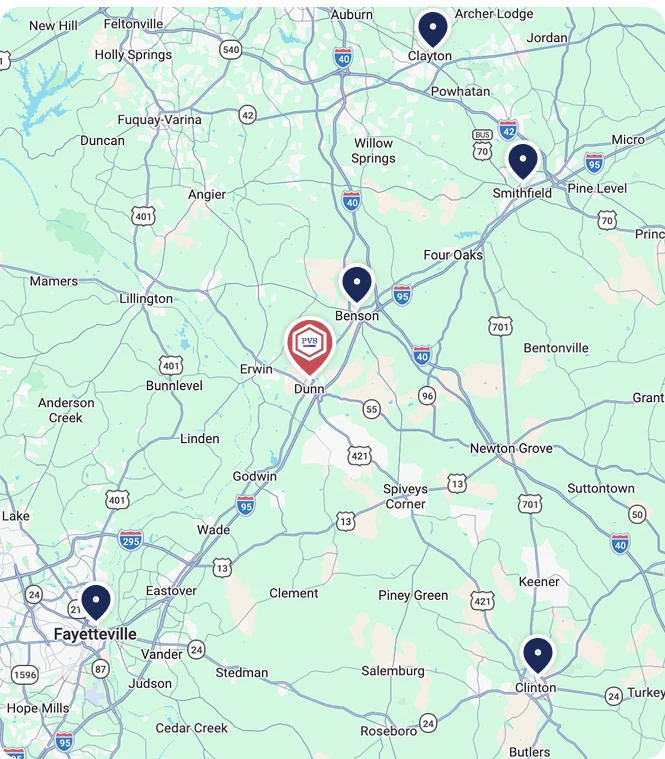
Gas Piping Repair Across Dunn & Eastern North Carolina
Based in Dunn, NC, we provide gas piping repair and diagnostics for homeowners and businesses throughout the surrounding communities.
Gas Trouble in Your Town?
Don’t see your city listed? We repair gas piping across many additional communities in Eastern North Carolina. Call us with your location and gas concern and we’ll confirm availability — honestly, either way.
Answers
Frequently Asked Questions About Gas Piping Repair
Get everyone outside to fresh air immediately and keep the door open behind you. Do not create any ignition source — no light switches, phones, matches, or electrical activity indoors. If there’s an accessible exterior shutoff valve at your meter that you can reach safely, turn the gas off. Then call your gas utility’s gas-leak line and call us from a safe location. Gas odors are emergencies.
A true gas leak produces the rotten-egg mercaptan smell and is often accompanied by hissing or a visible area where vegetation is dying. An appliance issue usually has no smell but the appliance simply won’t operate. We test pressure and use electronic detection to distinguish between a system-wide leak and an appliance-specific problem.
No. Gas leaks always worsen over time. Corrosion continues to spread, loose connections don’t re-tighten on their own, and a pinhole leak only grows. Have any suspected leak inspected and repaired immediately. Ignoring a leak risks accumulation of gas in enclosed spaces, which is a safety hazard.
Simple repairs like tightening a loose connection or replacing a corroded fitting take 1–2 hours. A regulator replacement or CSST pinhole repair takes 2–4 hours. More complex work like re-running a section of line under a floor takes 4–8 hours or may require 1–2 days. We’ll give you a clear timeline when we diagnose the problem.
Most simple tightening and fitting replacement work doesn’t require a permit. Regulator replacements, CSST repairs, and any work involving pressure testing usually do require a permit, and we handle all permitting and inspection coordination. Let us know when you call and we’ll confirm whether a permit is needed based on the repair type.
Yes. We warranty our workmanship and the integrity of all repairs for years. Any materials we install are also backed by manufacturer warranties. Ask us about specific warranty terms when we quote your repair.
The most common causes are corrosion of black iron fittings (especially in humid basements), pinhole leaks in CSST from physical damage or improper bonding, regulator failure after 15–20 years of use, vibration-induced loosening of appliance connections, and partial blockages from rust or sediment inside the line. Regular maintenance inspections can catch these early.
Yes. If a pinhole leak is localized, we remove the small affected section and splice in a new piece using proper crimped fittings and pressure-test the splice to ensure it holds. Full-line replacement is rarely necessary for a single leak.
If our testing shows the problem is at or upstream of the meter — low pressure from the utility line itself, a failed meter regulator, or a meter issue — we’ll coordinate with your gas utility to have them inspect and repair their infrastructure. We’ll document the findings so you can report it to them.
Gas safety concerns demand immediate response because gas leaks can accumulate in enclosed spaces and create explosion or asphyxiation risks. Any suspected leak, appliance that won’t ignite due to gas supply failure, or gas smell should be treated as an emergency. We take gas safety seriously to help keep your home and family safe.
Ready When You Are
Gas Piping Repair You Can Trust
Gas piping failures put your safety and appliances at risk. Plain View Solutions Heating & Air Conditioning has earned the trust of Dunn-area homeowners since 2020 with meticulous repairs — from pinhole leaks in CSST tubing to corroded connection replacement to regulator diagnostics. Check our current specials, ask about flexible financing, and add an annual maintenance inspection to catch problems before they become emergencies.